


 1-877-206-4279

Radiologic Sciences
Radiologic Sciences Training in Atlanta, Orlando, Miami and the Palm Beach Area
Overview: Radiologic Science Programs at Cambridge
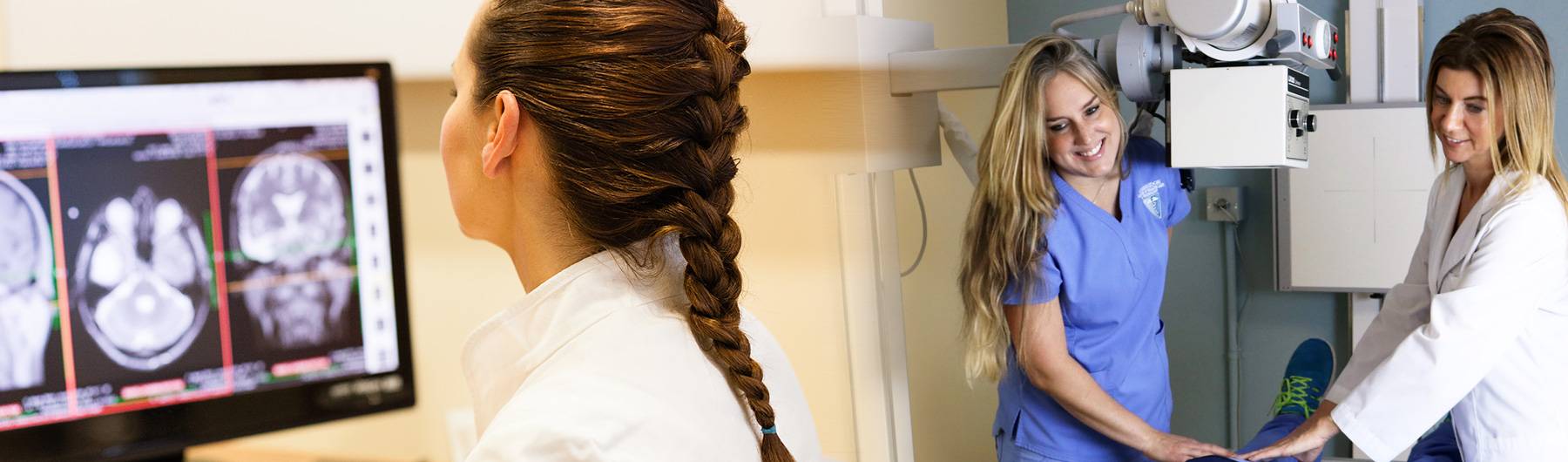
Radiologic Sciences is a broad and dynamic field within healthcare that focuses on the use of imaging and radiation-based technology to diagnose and treat medical conditions. It encompasses several specialized disciplines, most notably Radiation Therapy, Radiologic Technology, and Diagnostic Medical Sonography (DMS). While each of these pathways serves a distinct role, they are all united by a shared goal: improving patient outcomes through advanced imaging and therapeutic techniques.
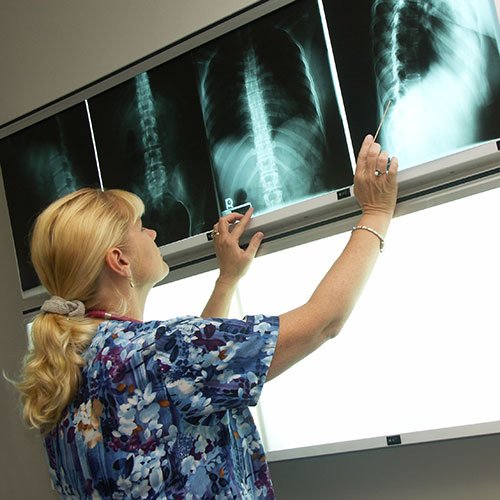
Radiologic Technology is often considered the foundation of the field. Radiologic technologists use imaging equipment such as X-rays to capture detailed images of the body, helping physicians diagnose injuries and illnesses. These professionals play a critical role in patient care, working closely with doctors and other healthcare providers in hospitals, clinics, and imaging centers. Programs in this area typically combine classroom instruction with hands-on clinical training to ensure students are prepared for real-world healthcare environments.
Radiation Therapy, on the other hand, is a more specialized branch focused on the treatment of diseases—most commonly cancer—through the use of targeted radiation. Radiation therapists work directly with oncology teams to administer precise doses of radiation while ensuring patient safety and comfort. This discipline requires both technical expertise and compassionate patient interaction, as therapists often support patients through ongoing treatment plans.
Diagnostic Medical Sonography (DMS), commonly known as ultrasound, uses high-frequency sound waves to produce images of internal organs and tissues. Sonographers play an essential role in monitoring pregnancies, diagnosing medical conditions, and assisting physicians with non-invasive imaging procedures. Like other radiologic science fields, DMS blends advanced technology with patient-centered care.
At Cambridge College of Healthcare & Technology, these radiologic science disciplines are offered through career-focused programs designed to prepare students for entry-level roles and long-term advancement. Students can pursue an Associate of Science degree in Radiologic Technology or Radiation Therapy, both of which can typically be completed in about two years and include a mix of classroom learning and hands-on clinical experience.
Job Outlook
According to the U.S. Department of Labor, employment of radiologic technologists is projected to increase nearly 10 percent between 2014 and 2024. That projected growth ranks higher than the average for all occupations.
Growth in the radiologic technologist job market is largely due to the aging population’s advancing health needs, and the retirement of currently employed technologists. Individuals qualified for radiologic technologist roles have many opportunities for employment within hospitals, clinics, outpatient care facilities and more.
Careers
Overview
Radiologic technologists are skilled medical professionals whose main focus includes providing radiation therapy and taking diagnostic images.
What Does a Radiologic Technologist Do?
Working with nurses, physicians and medical care specialists, radiologic technologists use x-ray imaging equipment to capture images of the body for use in the diagnostic and care processes.
Radiologic technologists often specialize in one or more areas of radiology, such as:
- Magnetic resonance imaging (MRI)
- Sonography
- Mammography
- Computed tomography (CT)
- Nuclear medicine
- Radiation therapy
Obtaining certification in one or more of these specializations improves employability and earning potential.