
 1-877-206-4279

In the shift of care from the acute care setting to the patient’s home, hospice and homecare services give patients and opportunity to have dignity, comfort and specialized attention during their transition in death and throughout chronic illness in their home. Behind the scenes in this connecting role are administrators who keep the systems running smoothly and efficiently, ensuring staffing levels and quality measures are met or exceeded. These practitioners are instrumental in orchestrating care, juggling the oversight and direction of a multidisciplinary team, and satisfying regulatory requirements while placing the patient at the center of every decision. A Day in the… Read more »
A Grateful Salute to Cambridge College of Healthcare & Technology Graduates & Students
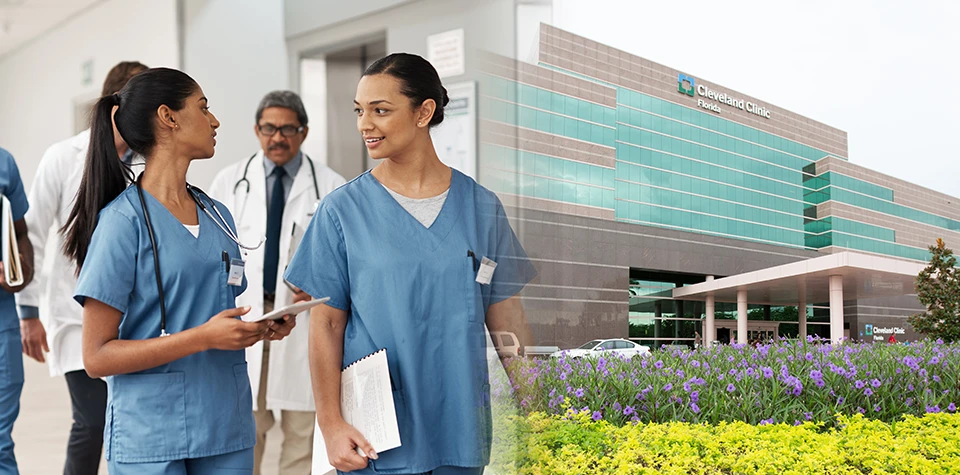
To our extraordinary nursing, radiologic, radiation therapy, Diagnostic Medical Sonography (DMS), Medical Assistance, Phlebotomy, Medical Laboratory Technologist, Certified Nursing Assistants, cybersecurity specialist, healthcare cybersecurity, MBC, HIT, HIM and health informatics graduates and current students serving in hospitals, nursing homes, assisted living communities, and clinical sites across America—thank you. Your courage, skill, and compassion are changing lives every day. We offer a special salute to those serving in Florida and Georgia—our home base and heartland—where so many Cambridge-trained professionals stand watch over patient safety, care quality, and community health. You take on the hard shifts and high-stakes moments—protecting patients, comforting families, supporting clinical teams, and strengthening the systems that… Read more »
Giving a Huge Shoutout to Our Cambridge College of Healthcare & Technology Graduates & Students

To all our nursing, radiologic, radiation therapy, Diagnostic Medical Sonography (DMS), Medical Assistance, Phlebotomy, Medical Laboratory Technologist, Certified Nursing Assistants, cybersecurity specialist, healthcare cybersecurity, MBC, HIT, HIM and health informatics graduates and current students serving across the United States—especially in our home states of Florida and Georgia—we extend our deepest gratitude. You are the heart, hands, and hope of America’s healthcare system. Cambridge is Honoring the halls of Emory University Hospital, Cleveland Clinic Florida, Nicholas Children’s Hospital, University of Maryland Medical Center, Broward Health, AdventHealth, Boca Raton Regional Hospital, Baptist Health, Memorial Healthcare System, UF Health Shands, Mayo Clinic Jacksonville, Tampa General Hospital, Orlando Health, Northside Hospital, Piedmont Healthcare, Grady Memorial Hospital, and every other hospital, nursing home, assisted living facility, and… Read more »
From Bedside to Boardroom: Your Nursing Career Starts Here
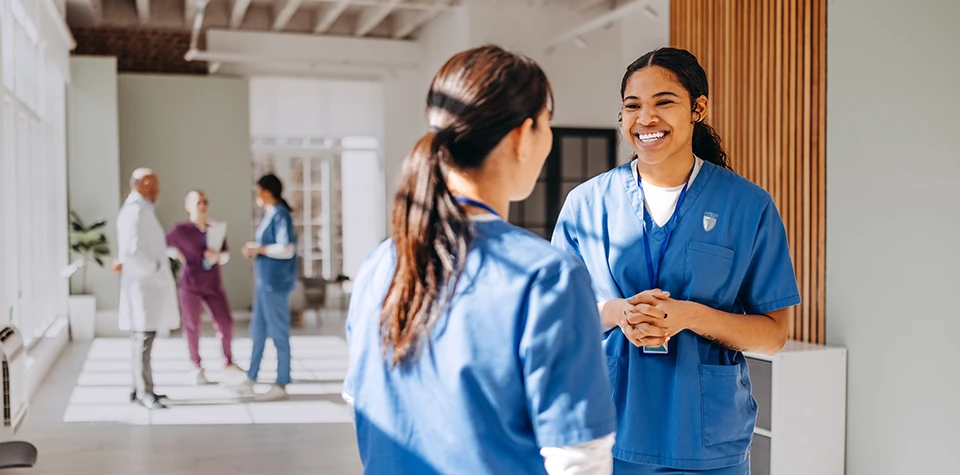
At Cambridge College of Healthcare & Technology, your nursing career is more than a degree—it’s a journey with purpose. Whether you’re starting as a Practical Nurse (PN) or advancing toward an Associate of Science in Nursing (ASN), our programs are designed to meet you where you are and take you where you want to go. From the very first day, you’ll receive hands-on clinical training, dedicated mentorship, and the confidence to deliver compassionate, skilled patient care. Many of our students begin at the bedside, mastering the fundamentals of nursing, and build their expertise step-by-step through advanced education. The progression from… Read more »
Compassionate & Competent: Training the Next Generation of Radiation Therapists at Cambridge

At Cambridge College of Healthcare & Technology, we believe that technical skill and human compassion go hand in hand—especially when training future radiation therapists. These healthcare professionals play a vital role in the fight against cancer and other serious diseases, delivering life-saving treatments while also offering critical emotional support to patients during some of the most difficult times in their lives. What Does a Radiation Therapist Do? Radiation therapy is prescribed by radiation oncologists to treat cancer and other life-threatening conditions. As a radiation therapist, you’ll work side-by-side with these specialists to plan and administer therapeutic doses of ionizing radiation using advanced medical equipment. You’ll monitor patient… Read more »
Nursing is a Calling — Not Just a Career

At Cambridge College of Healthcare & Technology, we believe nursing isn’t just a job—it’s a life mission. It’s a commitment to caring for others in their most vulnerable moments, a passion for making a difference, and a calling to serve with skill, compassion, and courage. Every day, nurses step into hospitals, clinics, nursing homes, and communities as beacons of hope and strength. That’s why our nursing programs—Practical Nursing (PN), Associate of Science in Nursing (ASN), Bachelor of Science in Nursing (BSN), and Master of Science in Nursing – Family Nurse Practitioner (MSN-FNP)—are designed to not only prepare you for the… Read more »
PDPM Demystified: What Every Nursing Home and Long-Term Care Administrator Needs to Know

Cambridge College of Healthcare & Technology’s Bachelor of Science in Healthcare Administration (BHA) program educates the student in the ever-evolving world of post-acute care and how the Patient-Driven Payment Model (PDPM) has reshaped how skilled nursing facilities (SNFs) are reimbursed for Medicare Part A patients. As a Nursing Home Administrator or Long-Term Care leader, understanding PDPM isn’t just a billing concern, it’s an operational imperative. What Is PDPM? PDPM, is the new Medicare payment approach for skilled nursing facilities physicians as of October 1, 2019, from the Centers for Medicare & Medicaid Services (CMS). It will replace the Resource Utilization Group (RUG-IV)… Read more »
Cloud Security for Healthcare: Keeping Data Safe in a Connected World

As healthcare providers move rapidly toward cloud-based health records and telehealth infrastructure, the demand for cyber professionals trained in cloud security has never been greater. At Cambridge College of Healthcare & Technology, our Healthcare Cybersecurity & Privacy program teaches students how to secure patient data in the cloud using industry-leading encryption, firewalls, multi-factor authentication, and secure architecture design. With a strong student-centered and hands-on virtual learning model, Cambridge equips students not only with technical cloud competencies but also the regulatory knowledge (HIPAA, HITECH) needed to secure real-world healthcare networks. Students also learn to align security frameworks with NIST guidelines and… Read more »
Healthcare Administration: Understanding the Most Underutilized Tool – Case Mix Index (CMI)

At Cambridge College of Healthcare & Technology, we understand that in today’s data-driven healthcare environment, financial health, quality care, and compliance are all deeply intertwined. One metric that sits at the intersection of these priorities is the Case Mix Index (CMI), a powerful yet often underutilized tool in the healthcare administrator’s toolkit. What Is Case Mix Index? Case Mix Index represents the average severity of illness and resource intensity required for the patients treated in a facility. It is derived from the diagnosis-related group (DRG) codes assigned during inpatient stays and is calculated by averaging the relative weights of those DRGs.… Read more »