
 1-877-206-4279
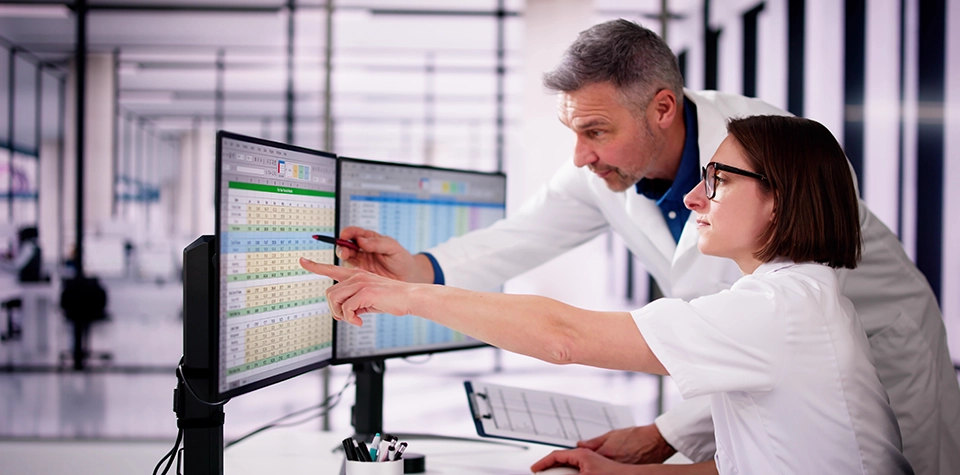
When we think of essential workers, our minds often go to the doctors, nurses, and first responders who keep America’s hospitals and clinics running. But in today’s digital era, there’s another frontline force stepping up to protect patient lives: healthcare cybersecurity professionals. These cyber defenders safeguard electronic health records, medical devices, and hospital networks from breaches that can compromise care and even put lives at risk. At Cambridge College of Healthcare & Technology, we believe these digital guardians are every bit as essential as those providing bedside care. That’s why our Healthcare Cybersecurity & Privacy programs are designed to prepare students to be the… Read more »
What Can You Do with a Radiation Therapy Degree?

Earning a radiation therapy degree opens doors to a variety of healthcare settings. Radiation Therapists are in high demand, and the job market is growing faster than average. But what exactly can you do with this degree? Career Paths Include Where Do You Work? With an Associate of Science in Radiation Therapy, you can start making a difference in people’s lives by building a stable, rewarding career in the process. Ready to get started? Call 877-206-4279 and request information about our accredited radiation therapy programs today!
Online & On-Campus: The Hybrid Advantage of Our Radiation Therapy Program

Balancing life and education can be tough, but not with Cambridge’s flexible Radiation Therapist Training Program. Our hybrid format allows students to take a portion of their radiation therapy classes online while gaining hands-on experience on campus in Orlando, Miami, Delray Beach, or Atlanta. Benefits of the Hybrid Format Whether you’re a parent, working professional, or someone looking for a second career, this program is made for real-life students with real-life responsibilities. Ready to get started? Call 877-206-4279 or request information online about our accredited radiation therapy programs today!
MSN-FNP: Become the Frontline Primary Care Provider America Needs

In today’s healthcare system, the demand for primary care providers is greater than ever. Across America, millions of families are struggling to find consistent, accessible care—and nurses are stepping up to meet that need. If you’ve already begun your journey in nursing, advancing to a Master of Science in Nursing—Family Nurse Practitioner (MSN-FNP) is more than just a degree; it’s your opportunity to become the frontline provider communities depend on. Why the MSN-FNP Path Matters The nation faces a critical shortage of physicians, particularly in primary care. By 2034, the U.S. is projected to face a shortage of primary care doctors. Family Nurse… Read more »
Why Today’s Nurses Need a BSN to Lead Tomorrow’s Healthcare

At Cambridge College of Healthcare & Technology, we believe every nurse’s journey begins with a powerful first step. Many of our students launch their careers through our Practical Nursing (PN) or Associate of Science in Nursing (ASN) programs—two incredible pathways that open doors to bedside care and entry-level positions. But for those who aspire to lead, influence patient outcomes on a larger scale, and step into tomorrow’s most vital roles in healthcare, the next level is clear: the Bachelor of Science in Nursing (BSN). The Demand for BSN-Prepared Nurses Hospitals and healthcare systems across the country are raising the bar. Research shows that organizations with… Read more »
Healthcare Cybersecurity Training: Why It’s Non-Negotiable!

Human error accounts for the majority of cybersecurity incidents in healthcare. That’s why at Cambridge College of Healthcare & Technology, we’ve designed our Healthcare Cybersecurity & Privacy programs to address this exact risk. Through simulated cyberattack scenarios, security awareness labs, and custom training for electronic health systems, students learn how to prevent, detect, and respond to threats that could shut down entire medical facilities. With healthcare-specific training modules, students are taught to approach cybersecurity not just from a technical perspective, but through the lens of patient safety and clinical continuity. Students also learn to align security frameworks with NIST guidelines… Read more »
A Day in the Life of a Healthcare Administrator in Hospice & Homecare

Answering the Call for Compassion, Coordination, and Care Beyond the Hospital Walls Starts at Cambridge College of Healthcare & Technology! At Cambridge College of Healthcare & Technology, we understand that healthcare is not delivered only in Acute Care Hospitals. Our Bachelor’s in Healthcare Administration Program provides the perfect transition to all levels of post-acute care, such as hospice and homecare organizations. Hospice and homecare services are among the most personal and emotionally impactful areas in the healthcare field. Behind every caregiver, nurse, and social worker in this space is a dedicated Healthcare Administrator ensuring that operations run smoothly, services comply… Read more »
Cambridge College of Healthcare & Technology’s Practical Nursing (PN) Program—Your Fast Track Career to Patient Care

Nursing is more than a career—it’s a calling. But every great calling begins with a first step. At Cambridge College of Healthcare & Technology, that first step can be our Practical Nursing (PN) program, designed as a launchpad for your nursing success. Whether your dream is to provide hands-on patient care as a Licensed Practical Nurse (LPN) or to one day lead as a Family Nurse Practitioner (MSN-FNP), your journey starts with personal focus, steady studying, and surrounding yourself with positive people who believe in your potential. Why Start with PN? The PN program is one of the most accessible and direct… Read more »
What Do Radiologic Technologists Do? A Life-Saving Career with Compassion at Its Core

Radiologic technologists—also known as medical imaging professionals—are essential members of today’s healthcare teams. In fact, they’re the third-largest group of healthcare professionals, following only physicians and nurses. These skilled individuals play a critical role in diagnosing and treating disease by creating detailed images of the human body using the latest equipment. The Heart of the Role: Imaging That Informs and Heals At the core of a radiologic technologist’s work is the creation of diagnostic images using equipment such as: These images help doctors understand what’s happening inside a patient’s body—guiding treatment decisions and sometimes saving lives. In addition to capturing… Read more »