
 1-877-206-4279

In today’s world of automation, algorithms, and artificial intelligence, students are often treated like data points. At Cambridge College of Healthcare & Technology, we believe education is different. Your journey into healthcare is not just about learning technical skills, it’s about finding mentors, building confidence, and preparing for a career that changes lives. That’s why we put people before machines. Human-Centered Education Every Cambridge student is guided by real mentors, not just online modules or impersonal systems. Our Mentors and Student Success Navigators walk with you from enrollment through graduation, making sure no one ever feels lost or left behind. At Cambridge, questions… Read more »
One Draw Can Save a Life: The Impact of Phlebotomists

When most people think of life-saving roles in healthcare, they picture doctors rushing into surgery or nurses at the bedside. But sometimes, saving a life begins with something simple—one skilled, compassionate blood draw. That’s the powerful impact of a phlebotomist. At Cambridge College of Healthcare & Technology, our Phlebotomy program—available across our four campuses in Florida and Georgia—gives students the skills, confidence, and compassion to enter the healthcare field quickly. More importantly, it gives them a foundation to grow into bigger opportunities in medicine, nursing, and beyond. More Than a Needle: A Human Connection Every blood draw tells a story. The… Read more »
Empowering Tomorrow’s Nurse Leaders: How Cambridge College of Healthcare & Technology’s MSN Family Practice Program Puts Students First

In today’s evolving healthcare environment, the demand for compassionate, highly skilled nurse leaders has never been greater. Cambridge College of Healthcare & Technology is answering that call through its Master of Science in Nursing – Family Nurse Practitioner (MSN FNP) program—a student-centered experience built to develop the next generation of healthcare heroes. A MSN Family Practice Program Designed Around the Student Experience The MSN Family Practice program isn’t just about earning a degree—it’s about transforming capable registered nurses into confident, competent Family Nurse Practitioners who lead with purpose and provide care that makes a difference. The structure of the program was intentionally… Read more »
Defend America’s Digital Future: Launch Your Cybersecurity Career with Cambridge

Every day, America’s companies, hospitals, and small businesses face invisible battles. From ransomware attacks on hospitals to data breaches in small to major corporations, the stakes couldn’t be higher. Patient safety, financial stability, and national security all depend on one thing; trained cybersecurity professionals ready to defend and protect. That’s where you come in. Why Cybersecurity Matters More Than Ever Technology connects every part of modern life: When cybercriminals strike, it’s not just data at risk—it’s people. Protecting America’s companies and healthcare facilities from breaches means protecting patients, families, and communities. Cambridge’s Mission: Training Tomorrow’s Cyber Defenders At Cambridge College of Healthcare &… Read more »
Start Here, Grow Fast: Become a Certified Medical Assistant

If you’ve been thinking about working in healthcare—but don’t want to wait years to get started—becoming a Medical Assistant (MA) might be the smartest move you can make right now. At Cambridge College of Healthcare & Technology, our Medical Assistant program helps you go from classroom to career in a matter of months, not years. Quick Entry, Real Impact Medical Assistants are essential members of today’s healthcare teams. They support doctors and nurses, keep clinics running smoothly, and help patients every day. And here’s the best part: you can start fast. Cambridge’s MA program is designed for rapid entry into the workforce, with the skills… Read more »
The Quiet Heroes Behind Every Cancer Battle: Radiation Therapists

When someone hears the word cancer, fear often comes first. But behind every patient’s battle is a team of healers, fighters, and champions who make sure hope never leaves the room. Among them stand the radiation therapists—professionals whose skill, precision, and compassion help save lives every single day. At Cambridge College of Healthcare & Technology, with campuses in Atlanta, Georgia, and in Orlando, Miami, and Delray Beach, Florida, we honor and prepare these quiet heroes. Radiation therapists may not always be in the spotlight, but their impact on patients and families is nothing short of extraordinary. More Than Machines: Healing with Heart Radiation therapy… Read more »
Diagnosing the Future: Why Imaging Careers Are Booming
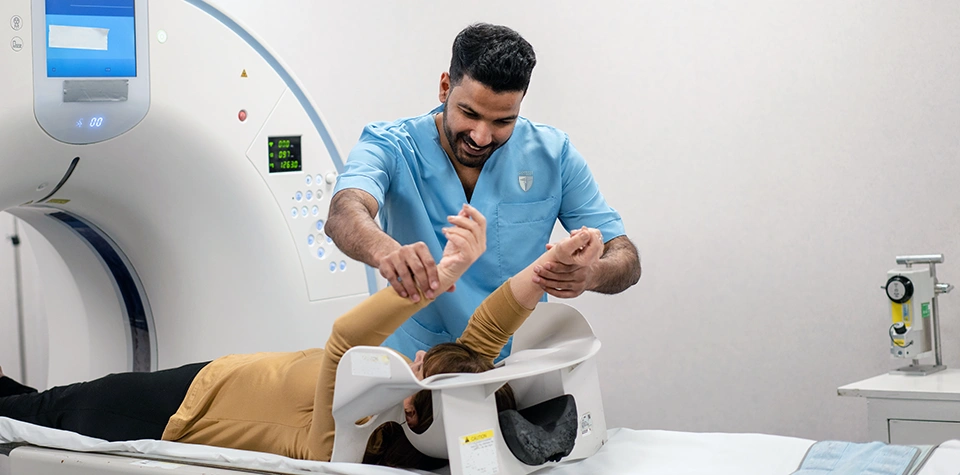
In today’s rapidly advancing healthcare landscape, one truth is crystal clear: imaging saves lives. From detecting cancer early to guiding life-saving surgeries, diagnostic imaging professionals stand at the intersection of technology and patient care. And demand for these careers—radiologic technologists, radiation therapists, and diagnostic medical sonographers—is not just growing, it’s booming. At Cambridge College of Healthcare & Technology, we’re proud to be fueling this surge by preparing graduates in Atlanta, Georgia, and across Florida in Orlando, Delray Beach, and Miami with the training, mentorship, and clinical partnerships that open doors to rewarding futures. Why Imaging Is the Future of Healthcare The U.S.… Read more »
From Clinic to Cloud: Why Healthcare Needs Cybersecurity Pros

Healthcare is a prime target for cybercriminals. The vast amount of sensitive patient data, ranging from personal identification to medical records and billing details,makes the sector a treasure trove for attackers. But it’s not just the data they aim for: ransomware assaults on hospital systems can also critically interrupt patient care and emergency operations. Training cybersecurity professionals isn’t just a tech priority, it’s a matter of protecting patient safety. The Human Element: Most Breaches Begin With People Surprisingly, about 90% of data breaches stem from human error, whether it’s clicking a phishing email, utilizing weak passwords, or mishandling sensitive data. This underlines the… Read more »
Earn Online. Work Anywhere. Thrive in Healthcare Technology.

At Cambridge College of Healthcare & Technology, we know life is busy. That’s why our 100% online, flexible programs are built for working adults who want to advance their careers while balancing jobs, family, and internships. Here’s how you can take the next step toward a rewarding future in healthcare and technology. Step 1: Choose Your Path From Medical Billing & Coding (MBC) to Health Information Technology (HIT), Health Information Management (HIM), Masters of Health Informatics, Bachelors of Healthcare Administration, Cybersecurity, Masters of Science in Nursing—Family Practice and Healthcare Cybersecurity, Cambridge offers programs that match your passion and career goals. Whether you’re drawn to patient care, technology, or… Read more »