
 1-877-206-4279
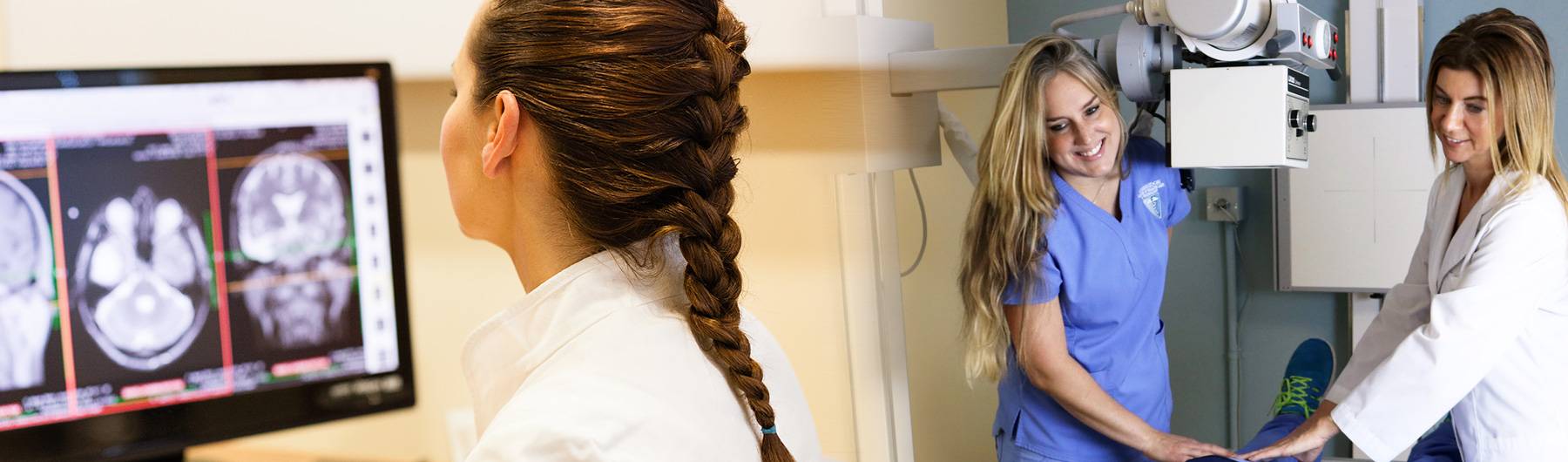

Pursuing a degree in Radiologic Sciences—whether in Radiation Therapy, Radiologic Technology, or Diagnostic Medical Sonography (DMS)—is a hands-on, immersive experience that blends classroom learning with real-world clinical training. Students quickly find that these programs go beyond textbooks, requiring them to develop both technical precision and strong interpersonal skills. From the start, coursework introduces core concepts like anatomy, patient care, medical ethics, and imaging principles, creating a foundation that supports everything they’ll encounter in clinical settings.
As students progress, the experience becomes increasingly practical. In Radiologic Technology programs, for example, students learn how to operate imaging equipment, position patients correctly, and capture high-quality diagnostic images—all while ensuring safety protocols are followed. Radiation Therapy students dive into treatment planning, learning how to deliver targeted radiation doses with accuracy and care. Meanwhile, DMS students develop their scanning techniques, mastering the ability to interpret images in real time using ultrasound technology. Across all three paths, there’s a strong emphasis on repetition and skill-building, helping students gain confidence with each procedure they perform.
A defining part of these programs is the clinical experience. Students spend a significant portion of their training in hospitals, outpatient centers, or specialty clinics, working alongside experienced professionals. This is where everything starts to click—students interact with real patients, adapt to fast-paced healthcare environments, and learn how to communicate clearly and compassionately. It’s also where they begin to understand the rhythm of the job, from managing schedules to collaborating with physicians and care teams.
At Cambridge College of Healthcare & Technology, these associate-level programs are designed to mirror the demands of the field. The curriculum is structured to be intensive but supportive, guiding students step-by-step from foundational knowledge to career readiness. By the time they graduate, students are not only technically trained but also comfortable in clinical environments, prepared to sit for certification exams, and ready to step into entry-level roles in a growing healthcare field.