

 1-877-206-4279
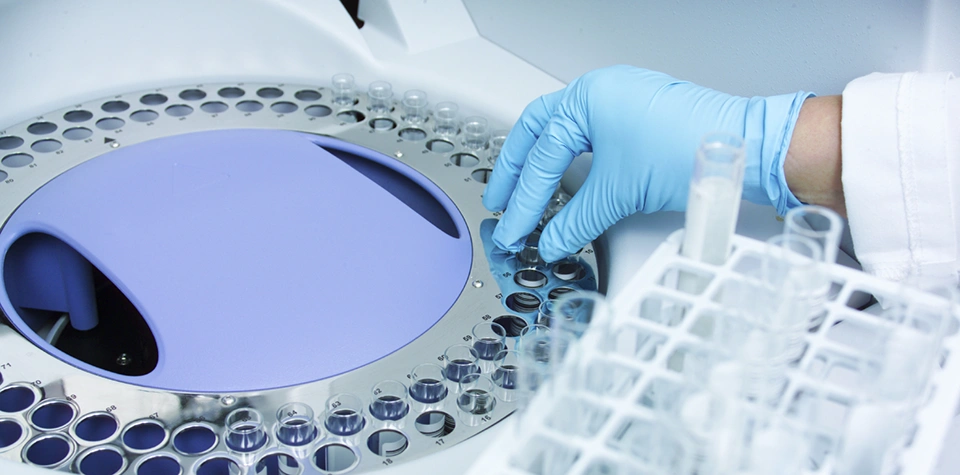
Working in areas such as Chemistry, Microbiology, Immunohematology, Hematology, Urinalysis, and Immunohematology, medical laboratory science professionals play a vital role in the diagnosis, treatment, management, and prevention of disease. Most medical decisions are based on laboratory results generated by the medical laboratory technician.
Medical laboratory professionals act as healthcare detectives behind the scenes, using both state-of-the-art biomedical instrumentation and manual methods to provide laboratory results to clinicians. They generate laboratory test results and can provide consultation as needed to healthcare practitioners, aiding in detecting cancer, stroke, diabetes, infectious disease, birth defects, heart attacks, and more.
Medical laboratory science majors are in hot demand. Many take positions in hospitals, doctor offices, forensic laboratories and research laboratories. Others decide to work in information technology, education or work with accreditation agencies to inspect laboratories.
Medical laboratory technicians complete an associate’s degree program in clinical laboratory science and can continue the path to a Medical Laboratory Scientist having a bachelor’s degree. Cambridge College of Healthcare & Technology offers an Associate of Science degree program for becoming a Medical Laboratory Technician which focuses on providing the skills needed for an entry level position in this field.
The Medical Laboratory Technician Program requires no entrance exam. However, most employers require certification through an accrediting body, such as the American Society for Clinical Pathology (ASCP) Board of Certification (BOC). Licensure by state may also be required. Cambridge College’s program is intuitionally/programmatically accredited through ABHES allowing the graduate to take the ASCP as well as AMT (American Medical Technologists), or the AAB (American Board of Bioanalysis).
Currently, in many areas of the country, there are more jobs than Medical Laboratory Technicians to fill them. Further, the majority of laboratory scientists are at or reaching retirement age.At Cambridge College of Healthcare & Technology you will have the opportunity to learn from experienced instructors through in-depth hands-on courses. In addition, you will have a chance to practice your skills in real world settings during your clinical externship. We hope you will consider Cambridge for continuing your educational journey. Give us a call today at 1-877-206-4279 to learn more.