

 1-877-206-4279


Practical Nursing Program
Diploma in Practical Nursing
Program Overview

At Cambridge, we provide students with the training they need to start their careers as professional Practical Nurses. Our students gain the skills and knowledge necessary to pass the National Council Licensure Examination (NCLEX-PN) and become a Licensed Practical Nurse (LPN). We provide more than just training classes to pass the exam. We give you everything you need to be a successful LPN at a healthcare facility.
What to Expect From Our Practical Nursing Training Program
Every student entering the program can expect to receive the following:
- Classes taught by qualified and registered instructors
- Real, hands-on nursing experience from clinical healthcare facilities
- Preparation to take and pass the NCLEX-PN exam
Our Hands-On Approach to Practical Nurse Training
At Cambridge, you will receive training through clinical rotations, gaining valuable experience in medical facilities. In the classroom, you will get the personal attention you need to prepare for the licensing examination, as well as the work you will do as an LPN.
Our commitment to academic success and clinical skill mean that you will complete the program ready to provide superior patient care. We have cutting-edge facilities in which you will learn how to use the technology and equipment used in the field. When you graduate, it is our goal to make sure you can hit the ground running, fully prepared to complete your work as a licensed practical nurse.
Learn More About the Practical Nursing Delray Experience
Learn More About the Practical Nursing Orlando Experience
Learn More About the Practical Nursing Miami Experience
Program Outcomes
The graduate of the PN program will:
- Coordinate quality, safe, evidence-based, skilled, and patient-centered care utilizing the nursing process.
- Demonstrate nursing behaviors as defined by the practical nurse scope of practice.
- Develop proficiencies in basic nursing skills.
- Participate in collaborative relationships with patients, families, and members of the interdisciplinary team to provide and improve patient care.
- Use information technology to communicate, manage knowledge, mitigate error, and support decision-making along with critical thinking.
- Incorporate ethical and legal principles into entry-level practical nursing performance.
Curriculum
At Cambridge College, we take great care when planning and delivering each of our medical learning programs. The Practical Nursing diploma program is no exception.
Practical Nursing Delray Program Curriculum
Practical Nursing Orlando Program Curriculum
Practical Nursing Miami Program Curriculum
Job Outlook
According to the U.S. Department of Labor, employment of LPN’s is projected to grow 3 percent from 2023 to 2033, about as fast as the average for all occupations. About 54,000 openings for LPNs are projected each year, on average, over the decade.
The job growth in this field is tied to the long-term care needs of an aging population, and the general increase in need for healthcare services. Many of the new positions for LPNs will be at facilities that provide services to the geriatric population, including nursing care facilities, community care facilities and home healthcare services. While these facilities will drive much of the growth in the industry, hospitals will maintain or even increase their demand for trained LPNs and remain a major employer in the industry.
In addition to a healthy job market, work as a Licensed Practical Nurse is also a common first step to becoming a Registered Nurse (RN) or finding another role in the medical field.
Careers
Overview
Practical nurses and licensed practical nurses (LPNs) are responsible for basic nursing care, medical care and the overall patient experience.
What Does a Practical Nurse Do?
Practical nurses and licensed practical nurses (LPNs) fulfill a number of duties at a range of healthcare facilities. The role is noted for its flexibility—practical nurses should be prepared to serve a variety of patient needs, including:
- Providing basic nursing care, such as changing wound dressings, delivering medications, taking vital signs and charting in the medical record, collecting samples, and seeing to the comfort of the patients
- Gathering and presenting information to RNs and physicians. LPNs often report to a registered nurse or doctor. As LPNs typically spend more time with patients than the RN or physician, they are responsible for communicating vital information about the care and condition of their charges.
- Evaluating the overall needs of the patient. Practical nurses often assess a patient’s needs beyond the medical, paying close attention to everything from physical comfort to potential psychological concerns.
- Educating patients. This education concerns not just the care they are receiving currently, but also future care needs.
Practical Nursing Resources

Resources to Succeed
With comprehensive support for both individuals and organizations, the ANA produces tools needed to lead positive health care change.

Nurses Helping Nurses
Trusted education, career and news resources to help nurses at every stage of their journey.

NIH Nursing Guide
This guide provides access to nursing, biomedical, clinical trial, evidence based practice, and research instrument databases; drug and pharmaceutical resources; e-books; patient education resources; and professional societies of special interest.

Created by Nurses, for Future Nurses
Free study resources and a variety of helpful products for students from NurseInTheMaking.

Resources for Student Oncology Nurses
Whether or not you decide to enter the oncology field, you are going to care for patients with cancer at some point in your career.

Clinical Resources and Professional Support
For more than 50 years and with around 130,000 members, the AACN has supported progressive and critical care nurses with world-class resources, education and support.
Certification
You will receive a Diploma in Practical Nursing upon successful completion of this program. Should you choose to sit for and pass the NCLEX-PN examination at the end of this program, you will then be able to seek work as an entry-level Licensed Practical Nurse (LPN).
Program Summary
- Diploma program
- Thorough preparation for the licensed practical nursing (LPN) certification exam
Program Location(s)
- Orlando Campus – Altamonte Springs, Florida
- Delray Beach Campus – West Palm Beach, Florida
- Miami Campus – Miami Gardens, Florida
Recent Practical Nursing News & Articles
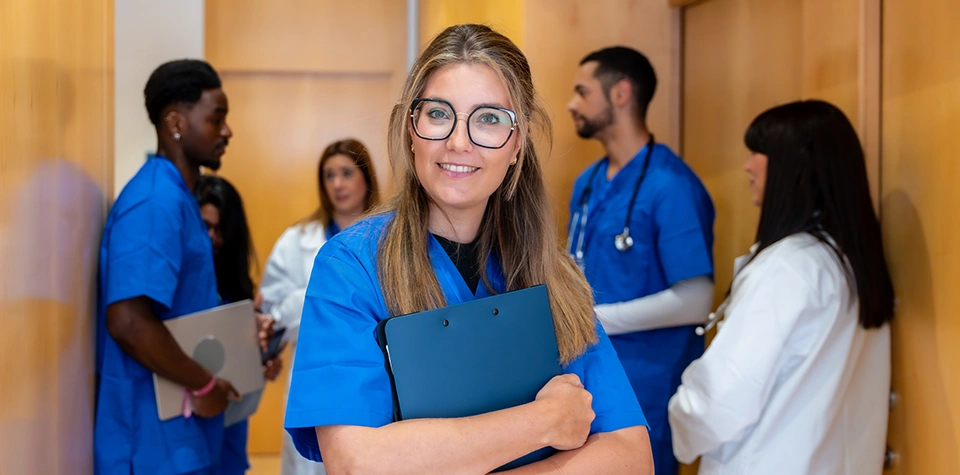 7 Mistakes New Nursing and Healthcare Students Make and How to Avoid Them
The seven most common mistakes are going quiet in week one, skimming the syllabus, studying by re-reading, using AI as a ghostwriter instead of a tutor, waiting too long to ask for help, ignoring the support services you already pay for, and treating sleep as the flexible item. Each one is fixable in a few minutes a week. None of them requires extra talent, more free time, or a stronger academic background.
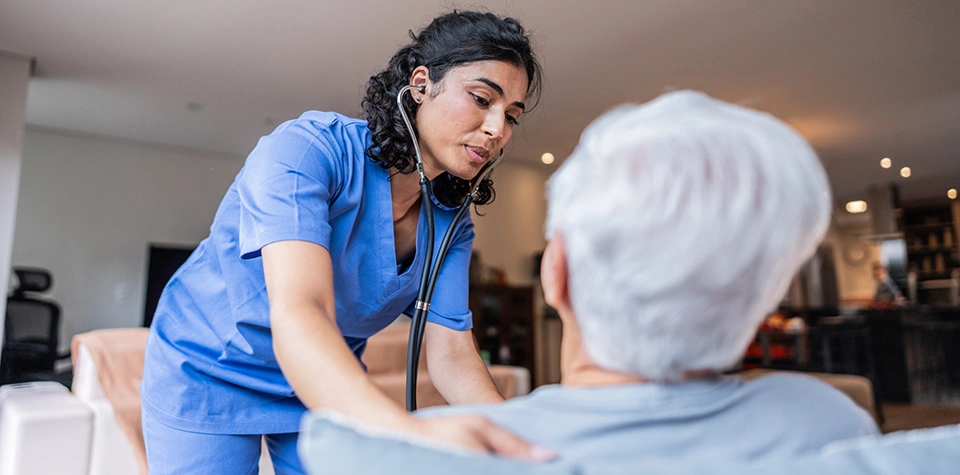 What Can You Do After Becoming a Nursing Assistant?
Nursing assistants provide much of the day-to-day, hands-on care that shapes a patient’s experience. Because they spend repeated time with the same patients, they are often among the first team members to notice a change and report it to the nurse. For CNAs considering what comes next, two Cambridge pathways lead in different directions: Practical Nursing continues up the licensed nursing ladder, while Medical Assisting moves toward outpatient and physician-practice care.
 How Fast Can I Become a Nurse in Miami? A Realistic Timeline
If you want a nursing license as fast as possible, LPN is the shortest route. Cambridge’s Practical Nursing diploma program runs 45 weeks (1,380 clock hours) and prepares graduates for the NCLEX-PN exam. If your goal is RN, the Associate of Science in Nursing (ASN) program takes about 90 weeks in the Traditional track.
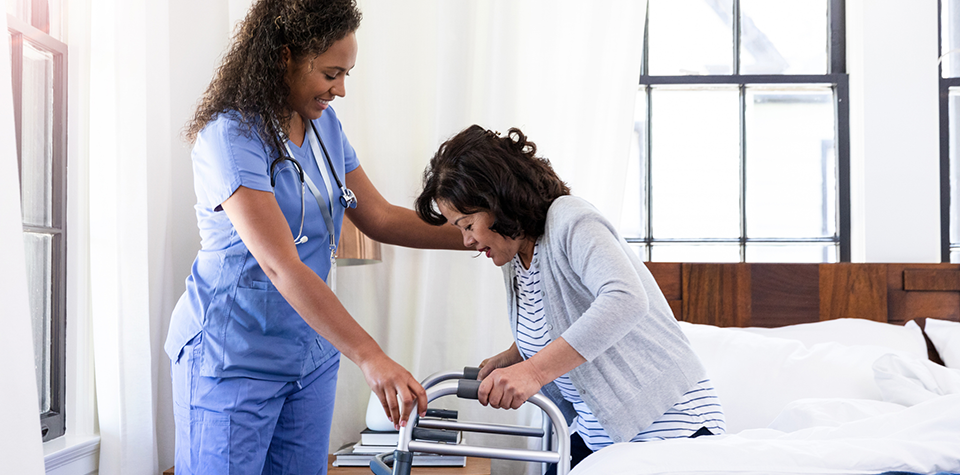 Is Practical Nursing Worth It If You Want to Become an RN? The LPN-to-RN Pathway Explained
Completing a Practical Nursing program does not end the education pathway at the LPN level. After meeting licensure, admissions, prerequisite, and campus-specific requirements, eligible LPNs may pursue an LPN-to-RN bridge or another advanced-standing nursing pathway.
 Why Becoming a Licensed Practical Nurse is the Smartest First Step Into Nursing in South Florida
South Florida’s healthcare system is growing, and it needs nurses now. The region’s mix of hospitals, nursing homes, assisted living communities, outpatient clinics, and long-term care facilities creates steady, ongoing demand for qualified nursing professionals at every credential level.
 Cambridge College of Healthcare & Technology’s Miami Campus Builds Nurses for South Florida’s Busiest Hospital Corridor
From the Nursing Assistant diploma to the ACEN-accredited Associate of Science in Nursing, Cambridge’s Miami Gardens campus offers a full entry ladder into registered nursing with clinical rotations across Miami-Dade and Broward.